Mar 1, 2026

Diagnosing small intestinal bacterial overgrowth (SIBO) has long been a challenge for clinicians and researchers. While several testing methods exist, each has limitations, and researchers continue to look for ways to improve accuracy.
Over the past several decades, two main approaches to testing for SIBO have emerged: small bowel aspirate culture and breath testing. More recently, researchers have begun developing new technologies to better understand microbial activity in the small intestine.
Looking at how these testing methods developed, and what scientists are learning now, can help patients better understand both the possibilities and the limitations of current SIBO diagnostics.
Early Approaches: Small Bowel Aspirate Testing
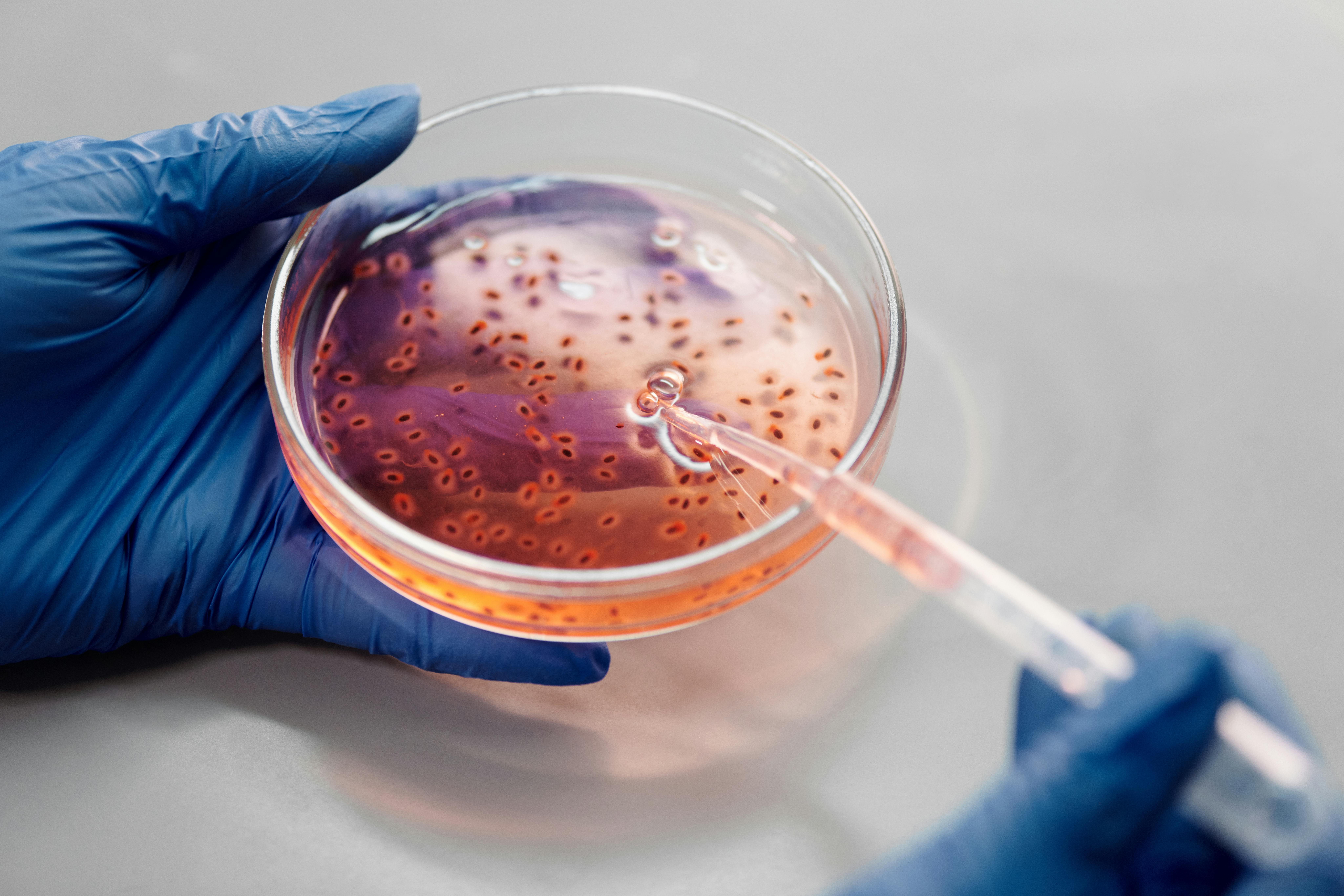
One of the earliest methods used to diagnose SIBO involved collecting fluid directly from the small intestine and analyzing it in the laboratory. This technique, known as small bowel aspirate culture, has traditionally been considered the closest thing to a “gold standard” for diagnosing bacterial overgrowth.
During an upper endoscopy, a physician collects a sample of fluid from the small intestine, usually from the duodenum or jejunum. The sample is then cultured in a laboratory to measure how many bacteria are present.
Aspirate testing allows clinicians to directly measure bacterial growth, which can provide valuable information about microbial populations in the small intestine. However, because it requires an endoscopic procedure and laboratory culture techniques, the test is more invasive and less widely available than other diagnostic approaches.
The Rise of Breath Testing
Breath testing emerged as a non-invasive alternative to aspirate testing in the late 20th century. The lactulose breath test was introduced in 1979, followed by additional testing approaches using glucose as the test substrate.
Rather than measuring bacteria directly, breath tests measure gases produced when microbes ferment carbohydrates. After a patient drinks a sugar solution, bacteria in the digestive tract ferment the sugar and produce gases such as hydrogen or methane. These gases enter the bloodstream and are eventually exhaled through the lungs, where they can be measured in breath samples.
Breath testing offered several advantages over aspirate culture. It is non-invasive, easier to perform, and more accessible for patients. Because of these advantages, breath testing has become the most commonly used diagnostic tool for suspected SIBO.
Over time, researchers have also learned that different gases may provide clues about how microbes behave in the gut.
Expanding Breath Testing: Hydrogen, Methane, and Hydrogen Sulfide
Early breath tests focused primarily on measuring hydrogen gas, which is produced when certain bacteria ferment carbohydrates. However, researchers later recognized that other gases can also play an important role in digestive symptoms.
One of these gases is methane, which is produced not by bacteria but by microorganisms called methanogens. Research has shown that methane production is associated with slower intestinal movement and constipation. Because of this, clinicians sometimes refer to methane-associated conditions as intestinal methanogen overgrowth (IMO) rather than SIBO.
Another gas receiving increasing attention is hydrogen sulfide. Newer breath testing technologies can measure hydrogen sulfide alongside hydrogen and methane. Early studies suggest that elevated hydrogen sulfide levels may be associated with symptoms such as diarrhea, urgency, and abdominal pain.
Measuring multiple gases may help provide a more complete picture of microbial fermentation in the digestive tract, although researchers are still working to better understand how these gases relate to specific symptoms and treatment outcomes.
New Innovations in Sampling the Small Intestine
Because both aspirate testing and breath testing have limitations, researchers are exploring new ways to collect and analyze samples from the small intestine more accurately.
Clear Capture Technology
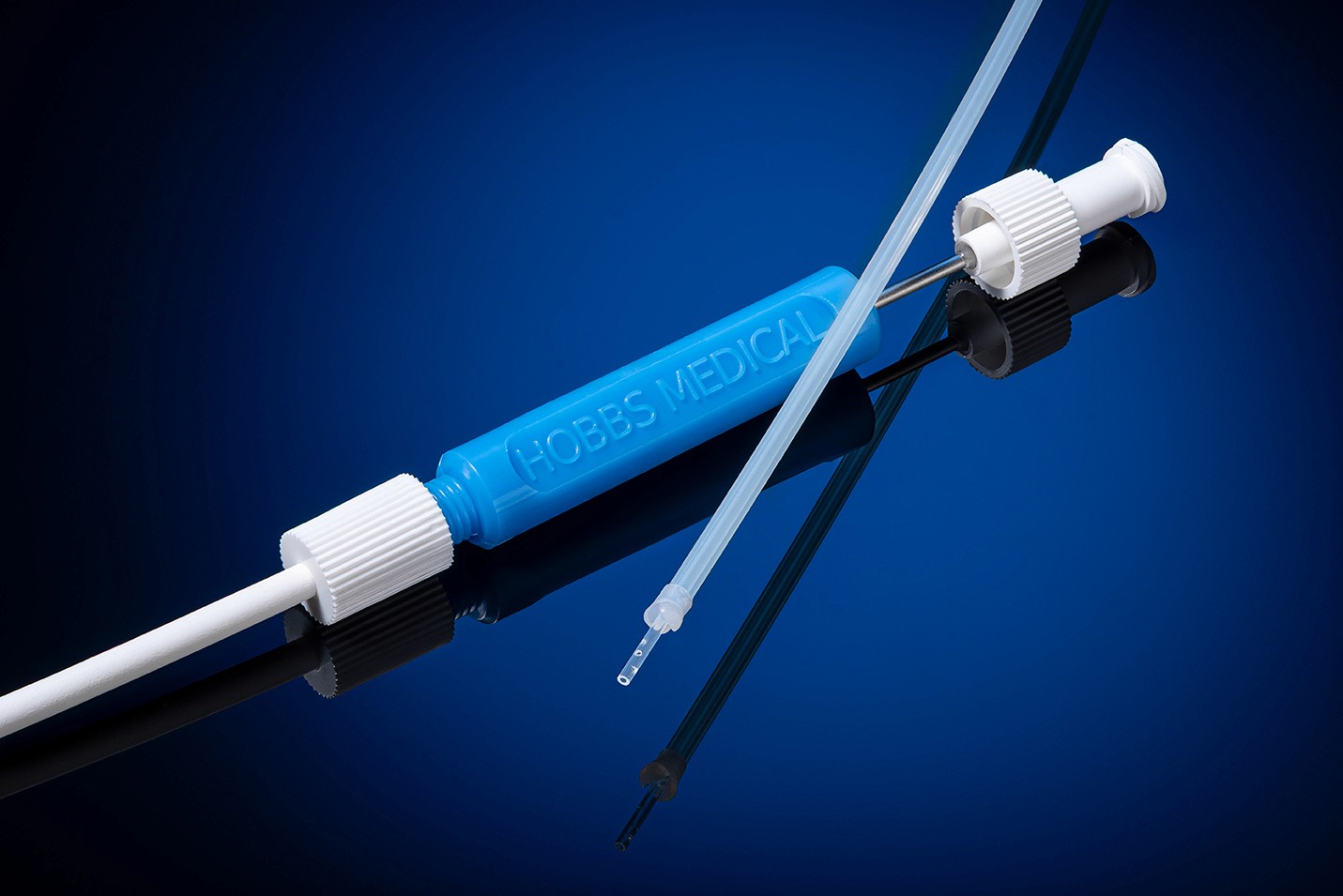
One recent development is the Hobbs Clear Capture system, designed to reduce contamination during endoscopic sampling.
This approach uses a dual-lumen catheter. The inner catheter that collects the sample remains protected inside an outer sheath as the endoscope moves through the digestive tract. Once the catheter reaches the desired location in the intestine, the inner channel is deployed to collect fluid for analysis.
By protecting the sampling catheter from contact with bacteria in the mouth and stomach during the procedure, this approach aims to produce cleaner samples for laboratory testing.
Looking Beyond Fluid: Studying Mucus-Adherent Bacteria
Another emerging area of research focuses on where microbes live within the intestine.
Traditional aspirate testing collects luminal fluid, the liquid contents of the intestine. However, many microbes live within the mucus layer lining the intestinal wall, rather than floating freely in intestinal fluid.
To better study these communities, researchers have begun exploring brush-based sampling techniques that collect bacteria attached to the mucus layer.
Early studies suggest that this approach may provide new insights into how microbes interact with the intestinal lining and how microbial communities are distributed along the digestive tract.
What Comes Next?
Despite decades of research, diagnosing SIBO remains a complex problem, and each testing method still has important limitations.
For aspirate testing, sampling location remains a major challenge. Even with improved devices designed to reduce contamination, samples are typically collected from only one location in the small intestine. If bacterial overgrowth occurs further downstream, it may not be detected.
Brush-based sampling of mucus-adherent bacteria offers a promising way to study microbes attached to the intestinal lining, but this technique is still in the proof-of-concept stage, and researchers are still working to determine whether it will become useful in routine clinical care.
Breath testing also continues to evolve. Researchers are working to better understand how intestinal transit time, microbial metabolism, and gas production interact during the test. These factors can make breath test interpretation complex and remain an active area of study.
For now, no single test provides a complete picture of microbial activity in the small intestine. Many researchers believe that future advances may come from combining multiple approaches, including improved sampling techniques, expanded breath testing that measures multiple gases, and deeper analysis of the gut microbiome.
The Role of Patients in Advancing Research
Patients also play an important role in advancing research on SIBO.
When patients ask questions about testing methods, treatment options, and the science behind digestive disorders, they help drive awareness and encourage continued investigation. Greater understanding among patients, clinicians, and researchers can help move the field toward more accurate diagnosis and more effective treatments.
As research continues, each new question brings scientists closer to understanding how microbes behave in the small intestine and how best to diagnose and treat SIBO.
References
Haller, F., et al. (2026). Upper small intestinal bacterial overgrowth: collecting mucus instead of luminal fluid—a revival of the brushing technique. Frontline Gastroenterology, 0, 1–4. https://doi.org/10.1136/flgastro-2025-103394.
Rezaie, A., et al. (2017). Hydrogen and methane-based breath testing in gastrointestinal disorders: The North American consensus. American Journal of Gastroenterology, 112(5), 775–784.
Pimentel, M., et al. (2026). Study of three-gas breath testing for evaluation of small intestinal bacterial overgrowth. Journal of Gastroenterology and Hepatology.
Quigley, E. M. M. (2019). The spectrum of small intestinal bacterial overgrowth (SIBO). Current Gastroenterology Reports, 21(1), 3. https://doi.org/10.1007/s11894-019-0677-0
Kashyap, P. C., et al. (2024). Critical appraisal of the SIBO hypothesis and breath testing: A clinical perspective. Neurogastroenterology & Motility.
Hobbs Medical. (n.d.). Aspiration catheters. Hobbs Medical. Retrieved March 4, 2026, from https://hobbsmedical.com/product/aspiration-catheters/